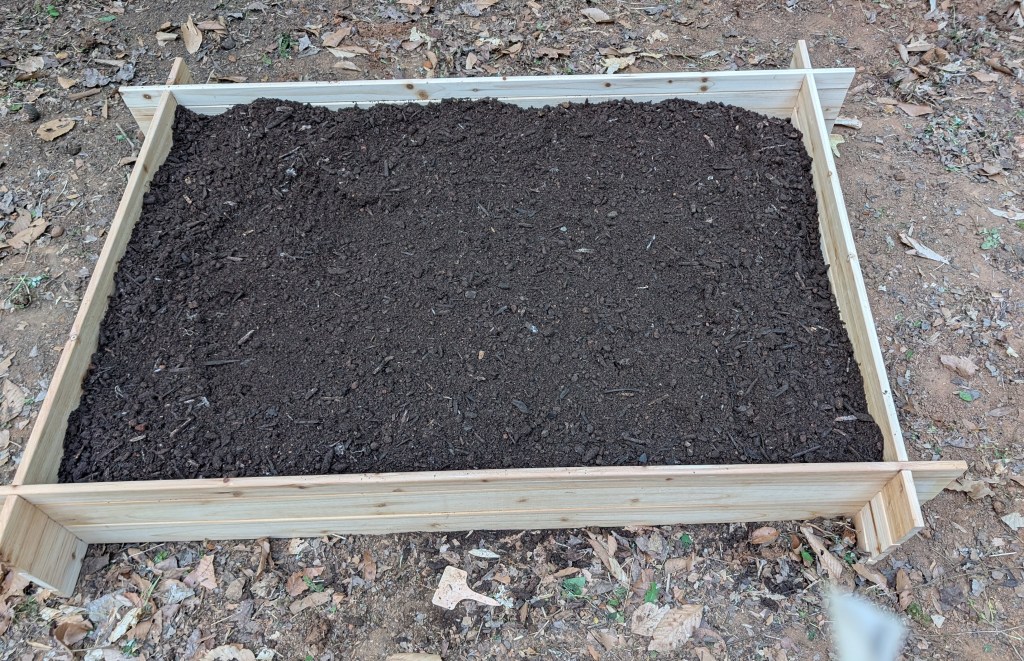
Raised Beds at Last

Weather in the Southern Piedmont seems to have the mind of a seesaw this spring—up into the 80’s then plunging into the 40’s or even 30’s—all in the same day, for weeks. The variety of temperatures expanded our wardrobes but we often didn’t know what to wear. My outdoor potted plants, now liberated from the confines of the dry, heated house seemed to do fine whatever the temperatures were—as long as I kept them watered (conserving water as I could). Rarely did heaven water them. We’ve been so thankful for rain, when it has come. When it does, it rains and rains for days. I’ll have to move some plants out of the rain this time, since they are in danger of becoming waterlogged. In gardening, it’s best to avoid extremes.

A benefit of the cool, sunny weather was the ability to garden without mosquitoes! In the heat of summer, they are ferocious. My neighbor and I have been talking for years about getting raised beds to bypass the heavy red clay, and put our hope for growth, in beautiful black soil. I bought a lot of wonderful varieties of seeds last year but discovered that they seldom sprouted in the clay. Maybe they’ll sprout in the rich soil?
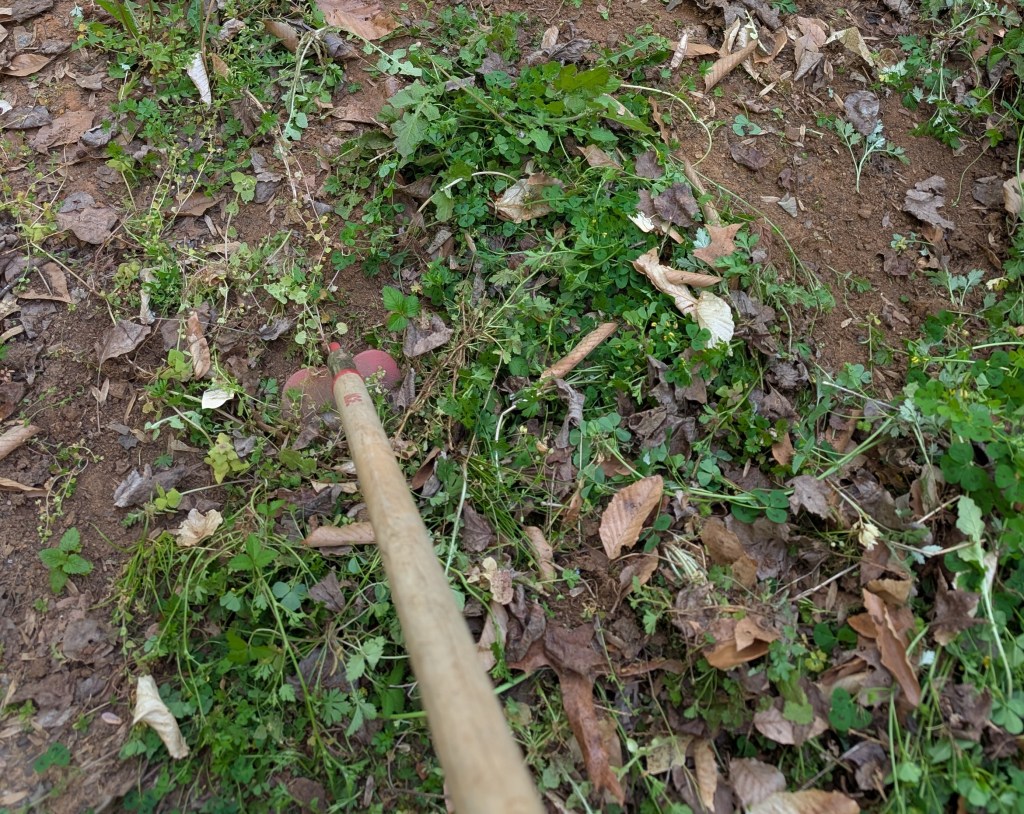
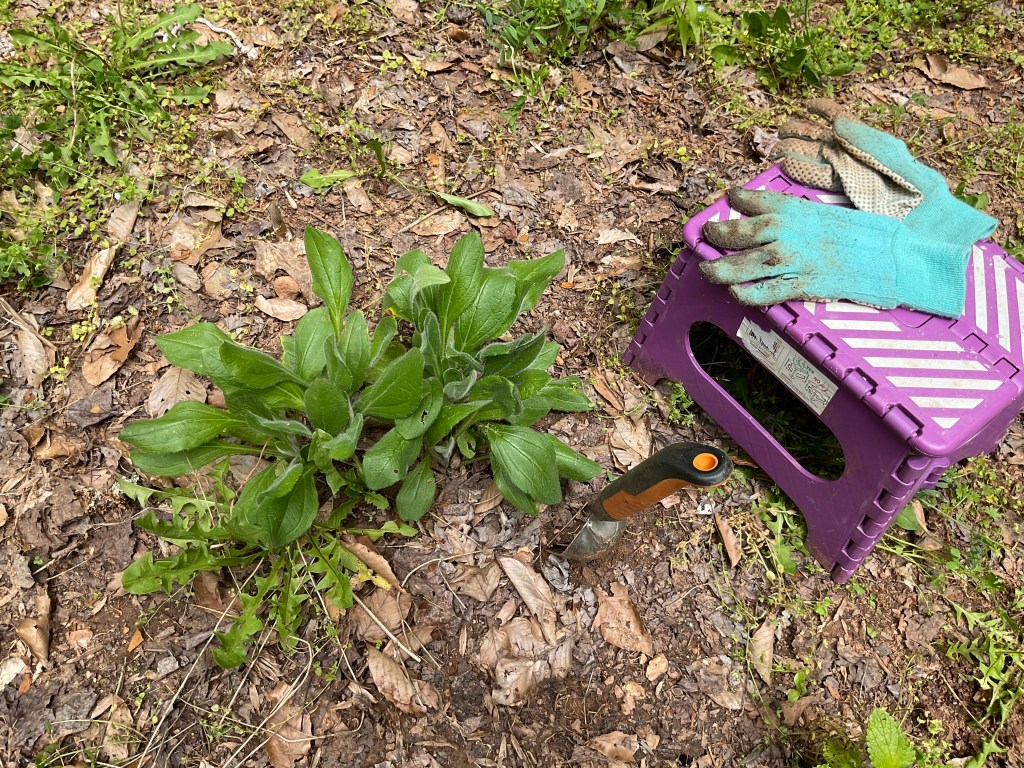
We finally found some affordable raised bed frames; it was time to get them set up. I spent over half a day hoeing the weeds out of my vegetable garden, thankful for help from my neighbor, whose gardens are next to mine; she reminded me that I didn’t have to pull each weed individually—I could hack clumps out all at once with a hoe. Whew!

The raised beds came in a long box from a discount grocery store at an amazingly low price. They won’t last forever, and I don’t expect them to. But they do the job I need for now. The open bottoms allow for drainage, and the possibility of longer roots. Assembling them was fairly straightforward, which is a good thing since the first one I opened had no instructions. However, it was strenuous when I was already exhausted from weeding.
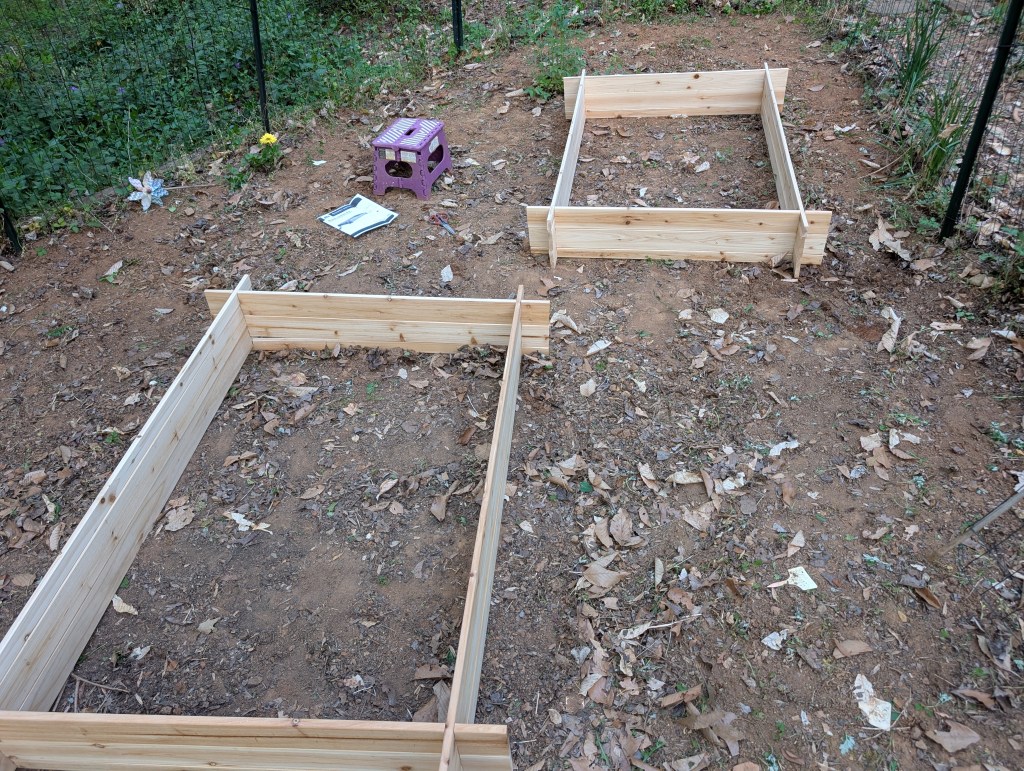
Then came the heavy bags of rich, black soil. Thankfully, my neighbor helped me haul them back to my vegetable garden—even with the two of us, it was backbreaking. I persevered to fill the raised beds with the soil before the end of the day, not knowing when I’d have the time to take it up again. Once finished, the accomplishment felt good. Every year, my neighbor and I wonder if it’s worth the time, money and effort to keep gardening, but we always do. We can’t help it. We need to dig in the dirt and help things grow. Gardening was the first task God gave to people—it’s part of what he made us for. It brings me joy.

Do you garden with raised beds? If so, how is that going? Let me know in the Comments. If you enjoy these posts, please like and share them, and subscribe. Thanks!
Flowery Language

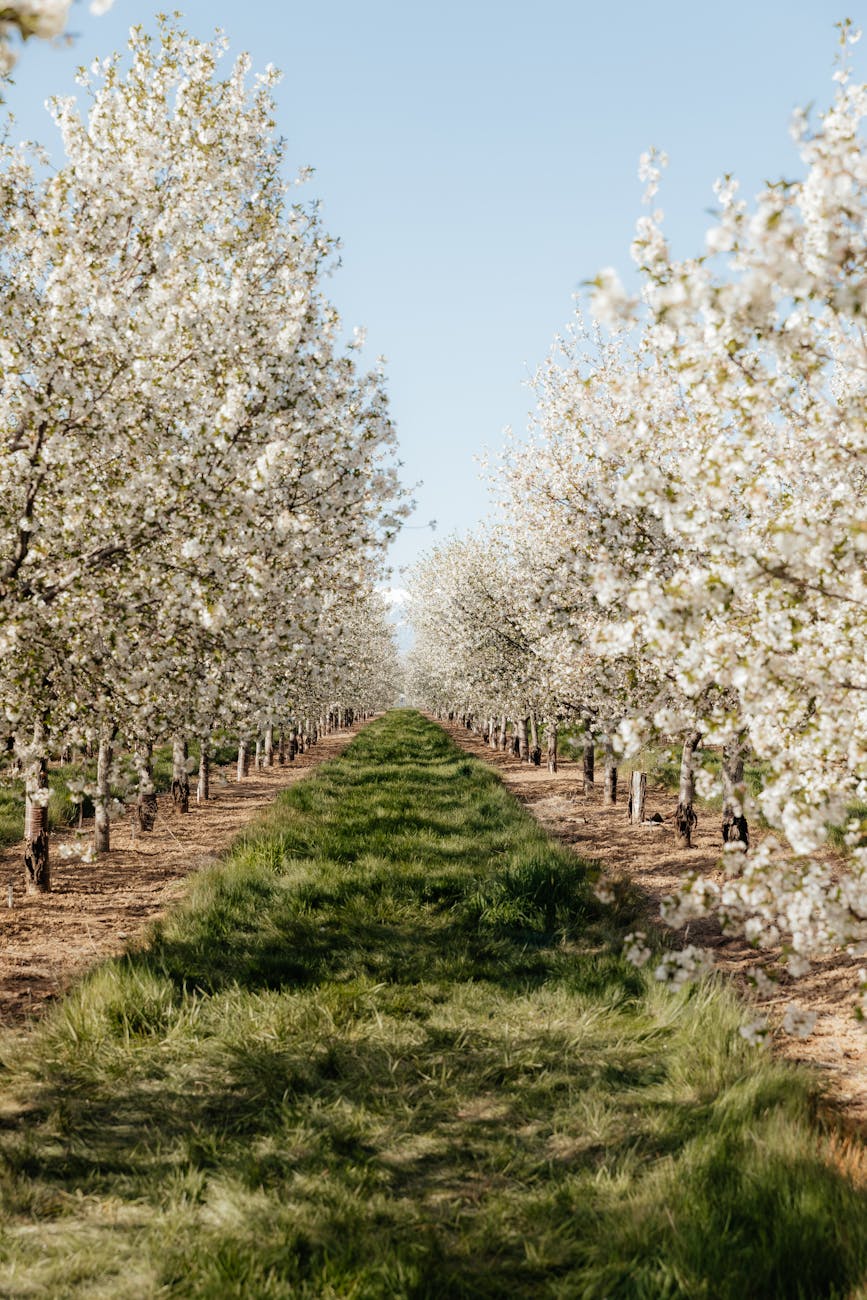
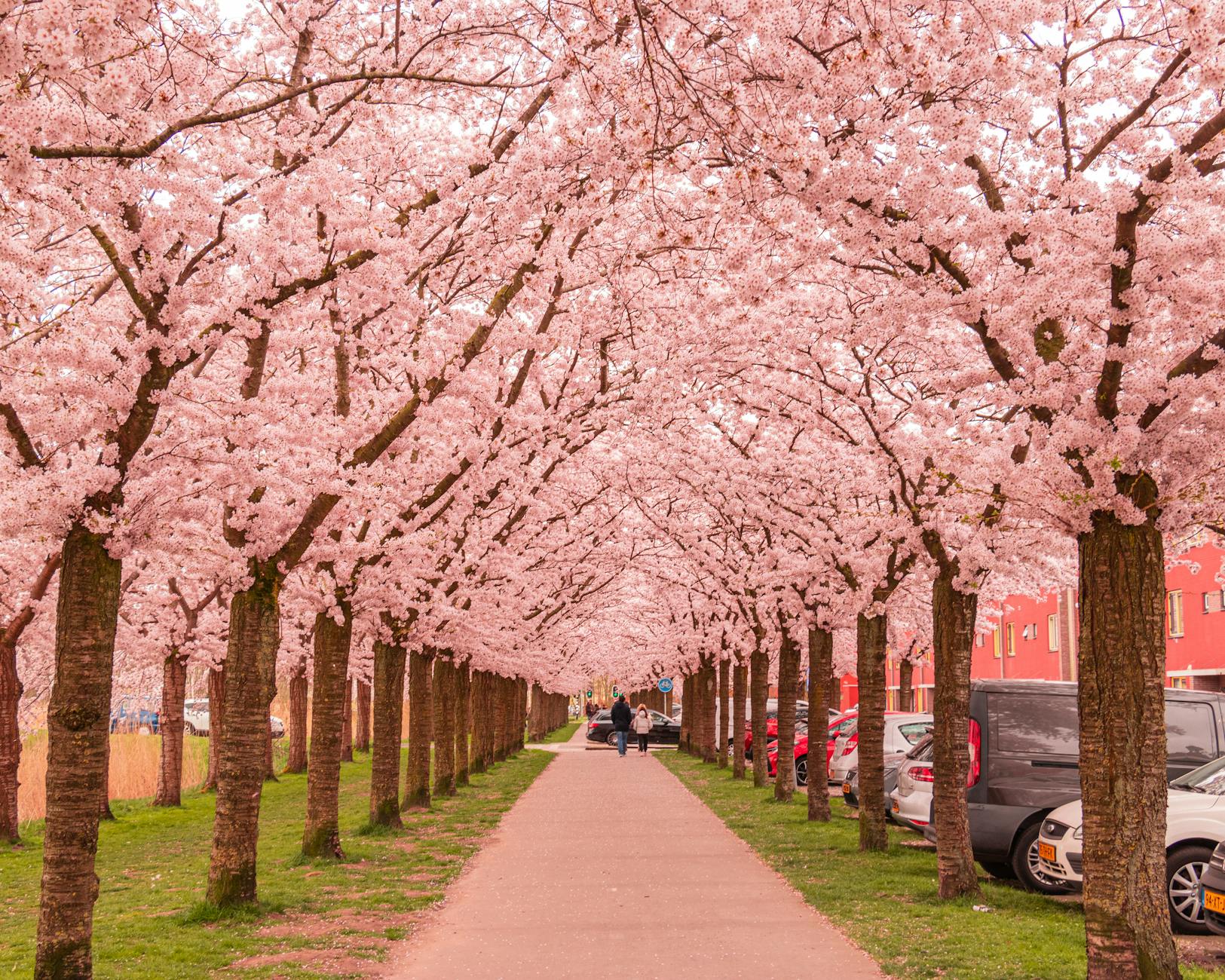
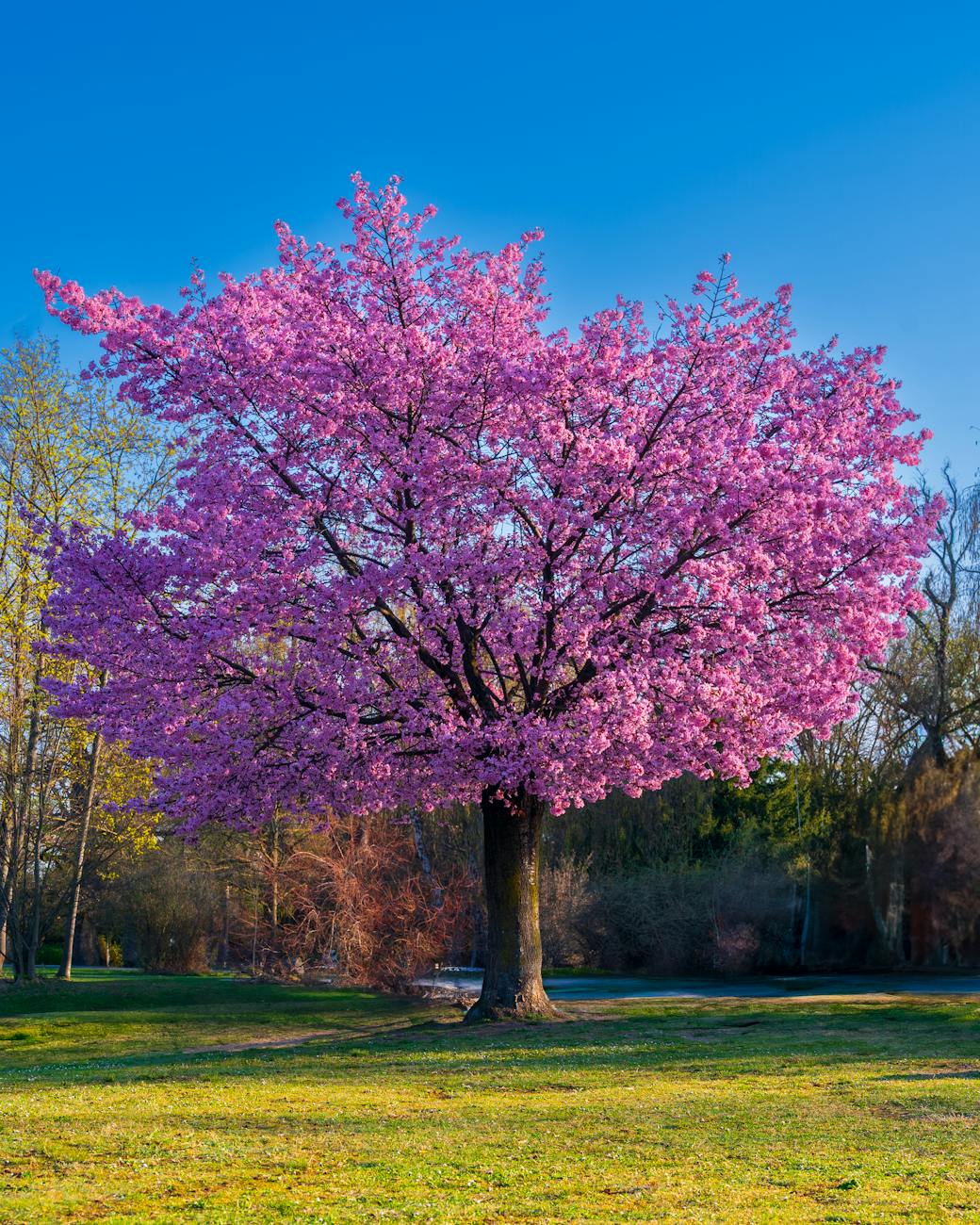
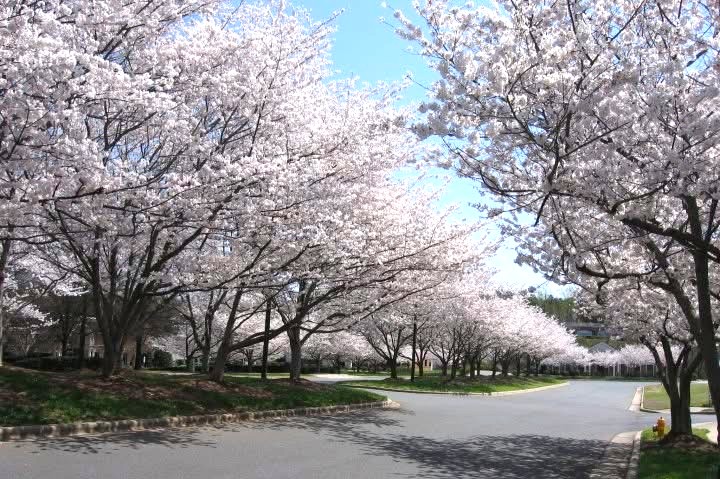
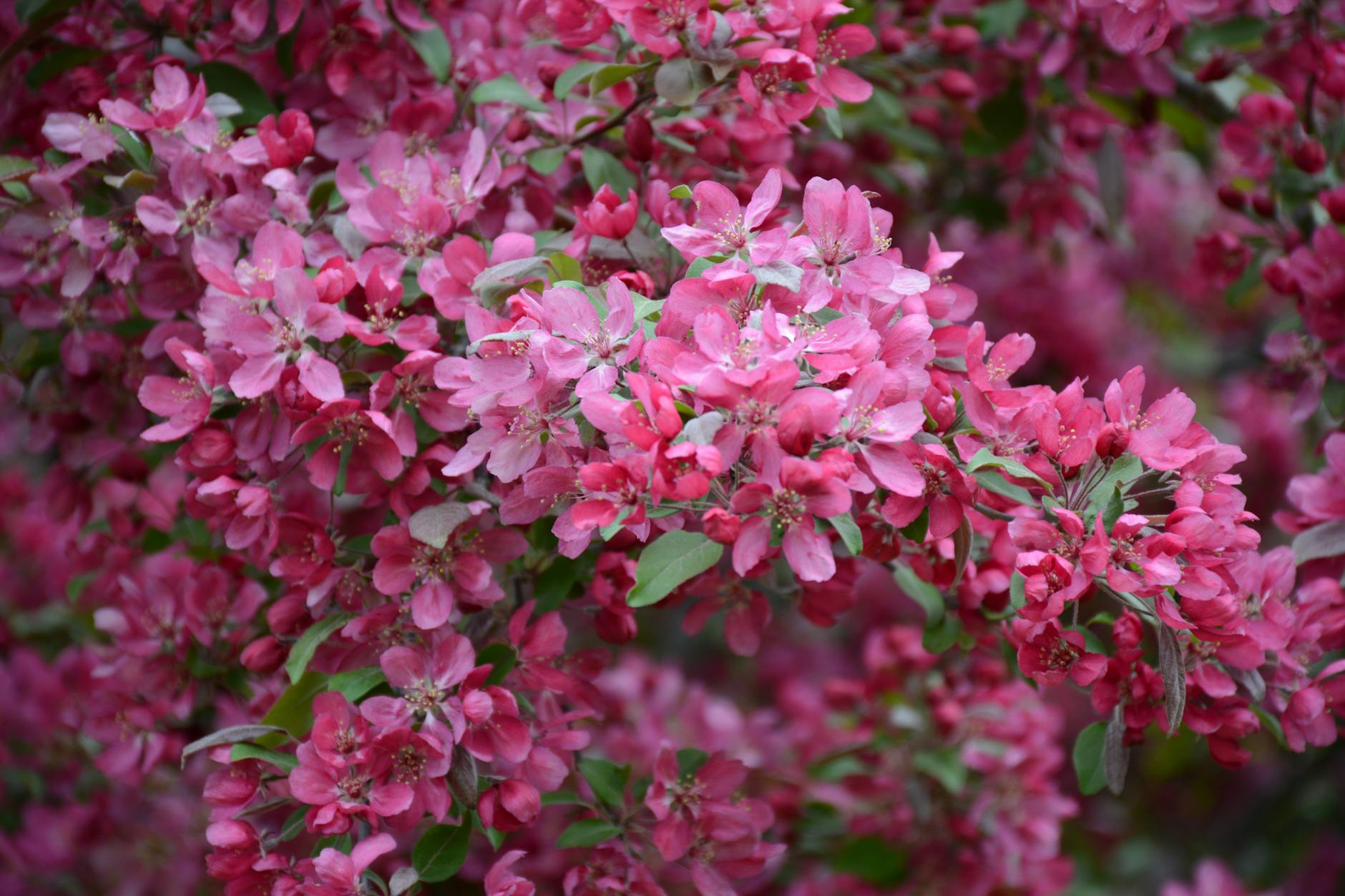
Welcome Spring! I always tell newcomers to the Piedmont that they’re in for a treat, that Spring unfolds like a parade. Though we’re in a drought, this year’s parade did not disappoint, revealing  one colorful, flowering tree, bush or vine at a time; it’s glorious! First, my overwintered orange pansies, then pink ornamental crab trees, white Bradford pears, then the delicate, floaty, barely pink cherry blossoms, red bud trees in bright red violet my favorite since my grandmother had a massive one, neon yellow forsythia, purple panicles of wisteria, then the flat, upward-facing white, and an occasional pink, dogwood. Wrapping up the parade is the southern favorite, the wonderfully outrageously pink, fuchsia (and white) azaleas. Streets are lined with flowering trees; I sometimes have my mouth open in joy as we drive through the show.

Photo by Jeff Wiles on Pexels.com
Photo by Adriana Coulson on Pexels.com
Photo by Sevda Ozdemir on Pexels.com
Photo by Mohamed B. on Pexels.com

In my flower garden, I’ve been pleased again this year to see the perennials sprouting up with no effort from me. The red orange-flowered geum stayed leafy and green all winter and is building its cells to unfurl a flower soon. Red, and pink dianthus, which we always called Sweet William is abloom.  My purple coneflower and maybe the prolific rudbeckia have come back. If the rudbeckia somehow doesn’t make it, it’s such an abundant producer of pretty yellow orange flowers, I’ll definitely replace it. Last year, I bought a special (expensive) magenta salvia that grew beyond my expectations to be almost as tall as me! Though each flower was small, the sun shone through them like stained glass. I thought it would be perennial but the winter was harsh for this area and I don’t see any signs of life in it—yet.

Three varieties of dahlias have several shoots each and will need props early on for their exuberant though sometimes brittle growth. I fell in love with the large colorful flowers when we lived in England and watched BBC’s Gardener’s World. In the US, we call them doll-y-ahs (or dal-y-ahs) but the British call them dale-y-ahs. Since I first grew them in England, I pronounce their name the British way.

I’d planted some spinach and parsley for the winter, in the front part of my flower garden—where I could get to it easily. These now have a home in my new raised vegetable bed. I’ll tell you about it soon.

Do you have a favorite spring-flowering tree or bush? Does something else flower this time of year where you live? What are you planting this Spring? I’d love to hear, in the comments.

Please like, subscribe, and share. Thanks!

Flower Planting

A woodpecker hunts for his lunch in a dead tree in the surrounding woods. The sky is blue again with a few white clouds cooling the warmer weather.

Today, I started my gardening with digging up my rudbeckia/black-eyed Susan from my still weedy vegetable plot. I’d bought it in a pot as a fundraiser at the previous place we lived; though I had no garden there, I looked forward to our next home, which would surely have a garden. Actually it was a non-negotiable for me to have a garden in our next home. Gardening is necessary for my well-being. (The NHS of the UK (National Health Service)increasingly prescribes gardening for good mental health.)

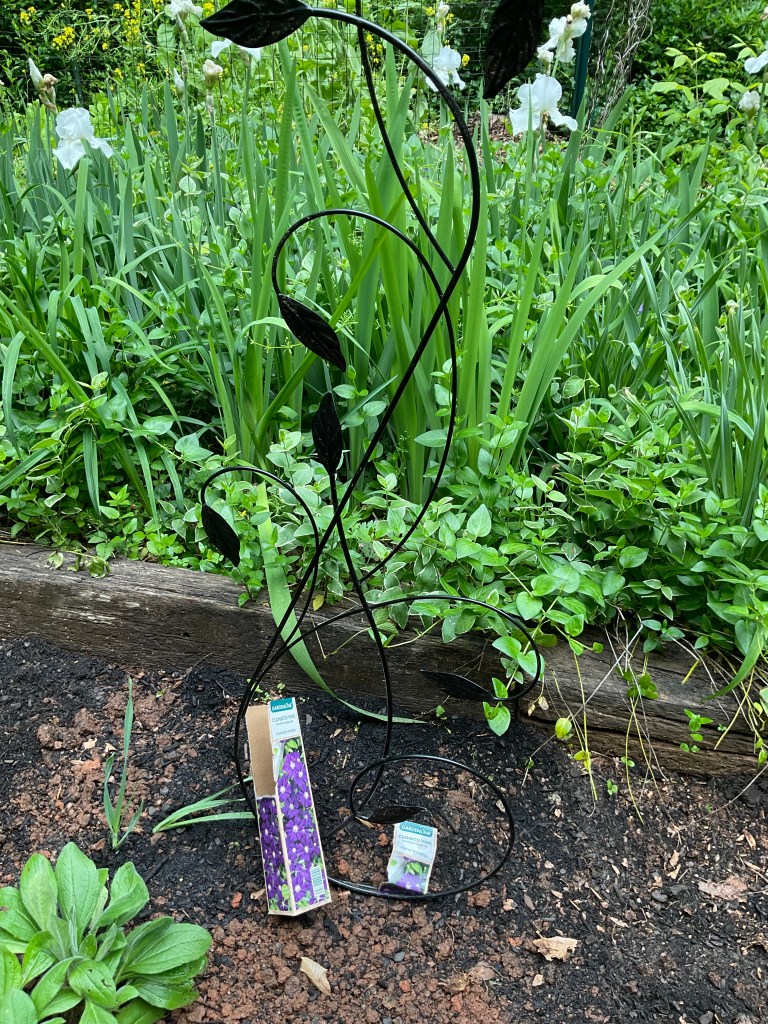
As a young girl, I loved to answer ads for garden catalogs in the  back of my mother’s magazines. I’d tape my precious dime to an index card, slide it into a small white envelope, address it to the seed company then ask my mother for a stamp. A clothes pin held my request to an arm of our mailbox for the postman to pick up (yes, our postal worker was a man). I’d eagerly check the mailbox several times every day until the wondrous day my picture book, aka seed catalog, of colorful flowers finally arrived. As I pored over the pages of “dahlias the size of a dinner plate!” and other “exotic” flowers, one plant stood out. I’d never seen a clematis growing in hot, humid Texas but the purple-flowered vine captivated me. Recently, our landlady presented me with a gift of a purple-flowered clematis—my first. I hope I grow it well in the Southern Piedmont. I found a lyrical trellis of black wire and metal leaves, to support it when it does grow.

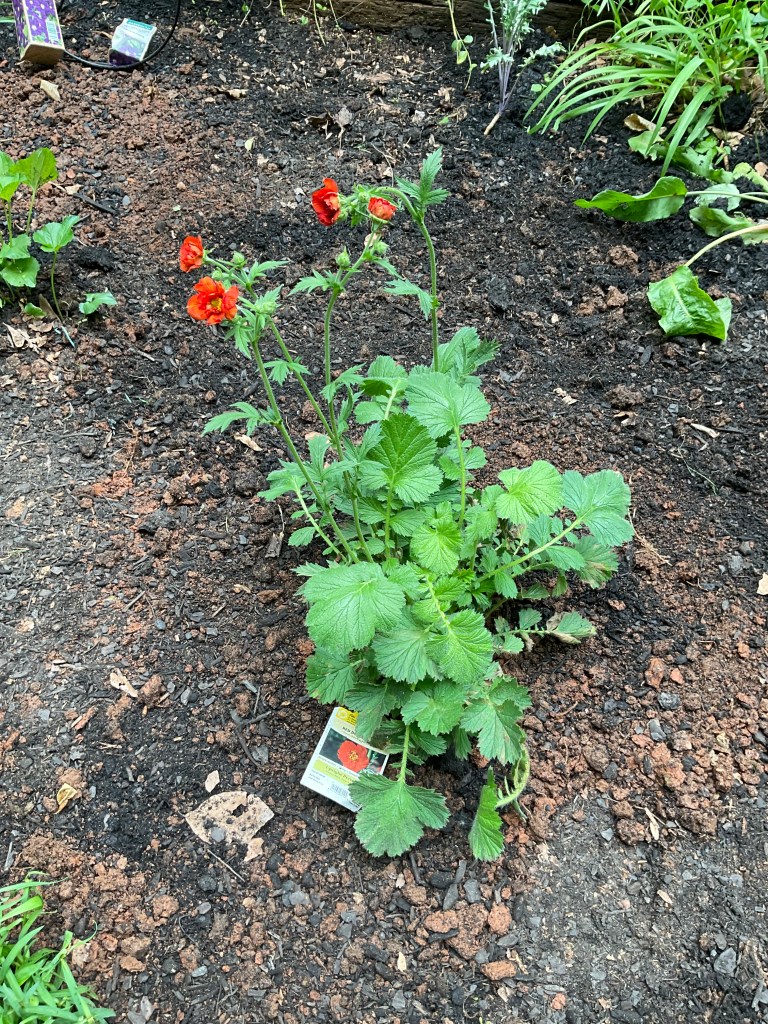
The other night, the BBC Gardener’s World TV show (I highly recommend it) had a feature on geums, reminding me of how much I enjoyed the orange-flowered perennial I grew in my garden in England (see older posts for the story of that garden). I came across a geum plant at the local big box garden center and of course, I needed to buy one. I have some flower seeds to plant but it’s good to have some already flowering plants to get the garden started.

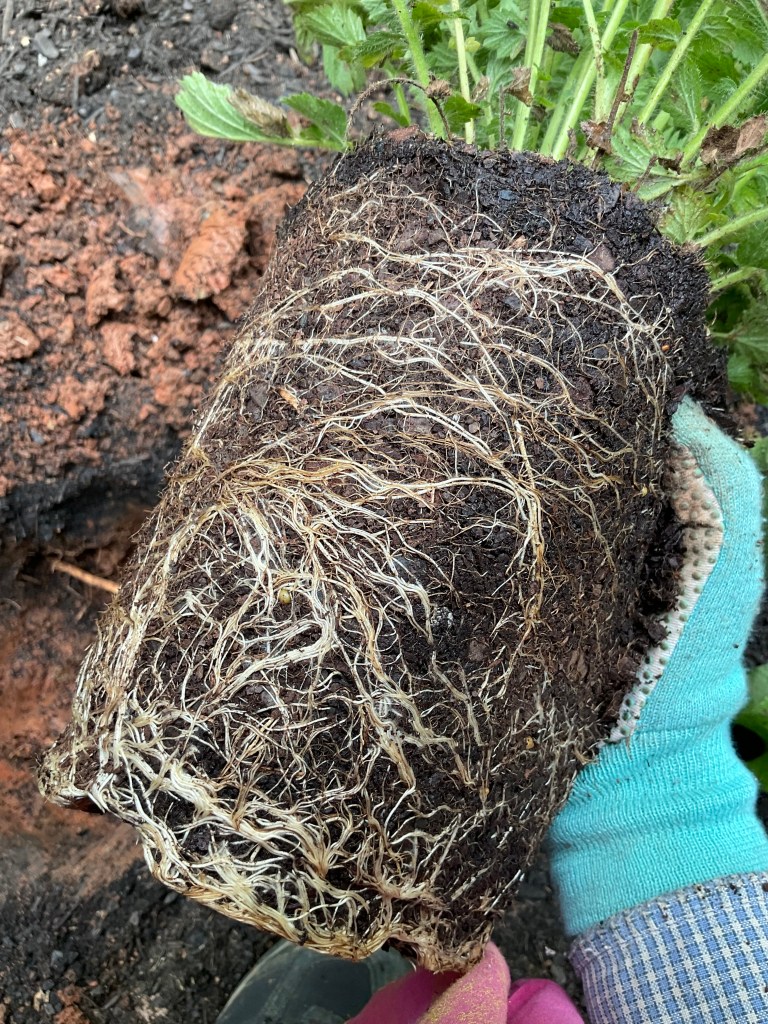
 I also learned on Gardener’s World that when sliding a plant out of its pot for transplanting, it’s good to run a finger over the bare roots  to stimulate growth. This plant was definitely ready to be free of its pot and be planted in the ground.

Transplants have to be well watered. I’ve had to water the transplants more than I expected, even when it had rained; it takes a few days for them to get established.

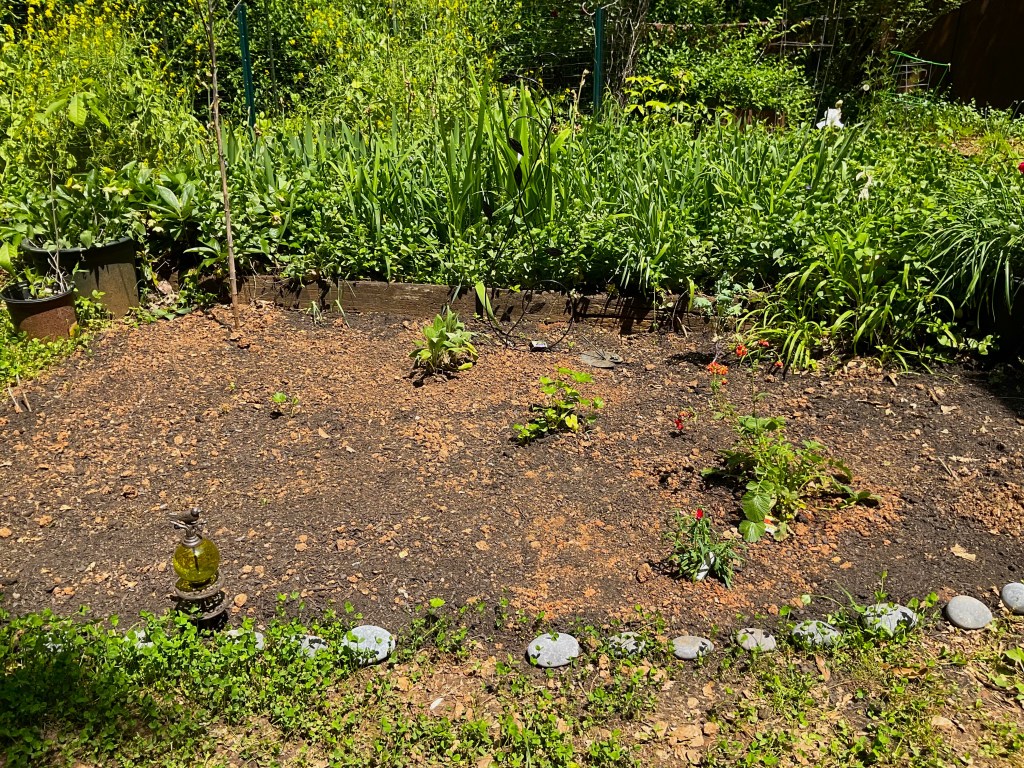
Progress! There’s still a lot to be done, which is a good thing, but I have to remember that the zinnias, and tithonias I have planned, take up a lot of space.

Do you prefer to grow your flowers from plants or seeds? Or both? I’d love to hear from you in the comments below. Please feel free to share these posts with your gardening—and garden-loving, friends.