On a recent excursion to a garden centre, I was taken with the marvellous flowers and foliage I found there–a fuchsia-coloured Hebe (I wonder if it flowers like my plain ones? What a welcome parade that would be!) and a captivating deep warm pink petunia, golden-throated with burgundy veins. I’ve seen and grown a lot of petunias over the years, loving them for their bright colours, resiliency and heady fragrance but I’d never seen any like these. I knew I “had” to have one. It’s still going strong several weeks later with little tending. But I’ve just discovered, as I ventured out into the rainy garden to visit it, slugs and/or snails like it too though I couldn’t find any at the scene.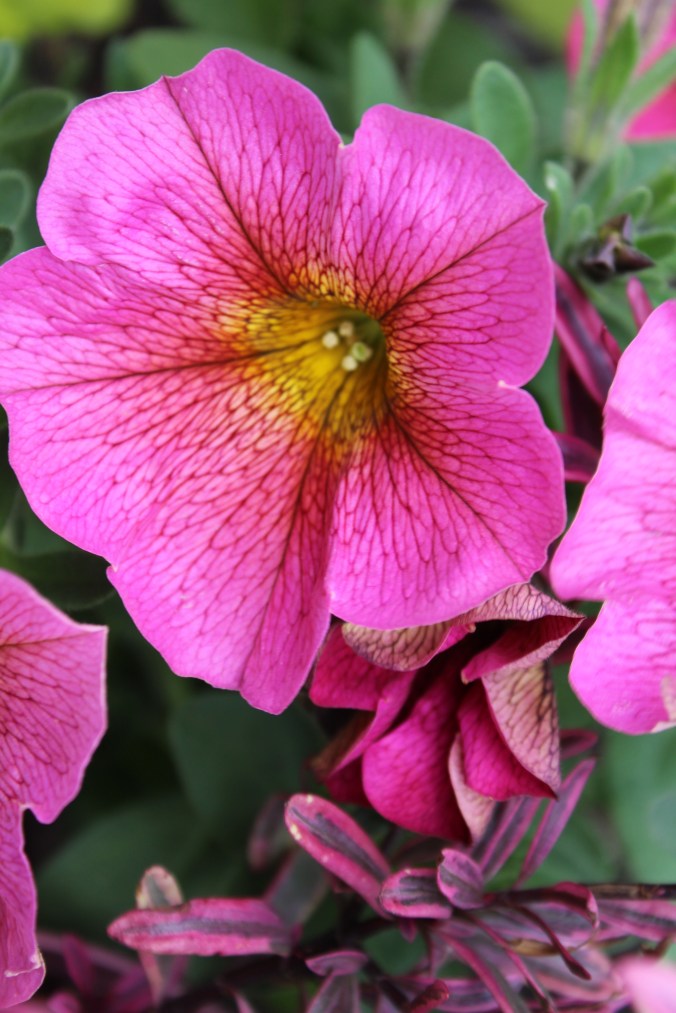
While there can be difficulties with hybrids—especially when they are proprietary like these (some are naturally hybridised while others are developed and freely shared); this Hebe and petunia each have tags with stern warnings against propagation without a license, I can’t help but enjoy them. I’m a visual artist and I don’t like anyone copying my art without permission either.
God made the glorious plant world but gave authority to humans to make something of them. How lovely it can be when people work together with God to make things beautiful.
Also pictured are a wonderfully fragrant stock (known as Virginia Stock in the U.S.) in vibrant orchid—an old-fashioned flower that’s seeing renewed popularity, and an old faithful Creeping Jenny that readily self-propagates by roots and will come back year after year. It’s yellow green colour is part of my garden colour palette to coordinate with deep pinks and purples.
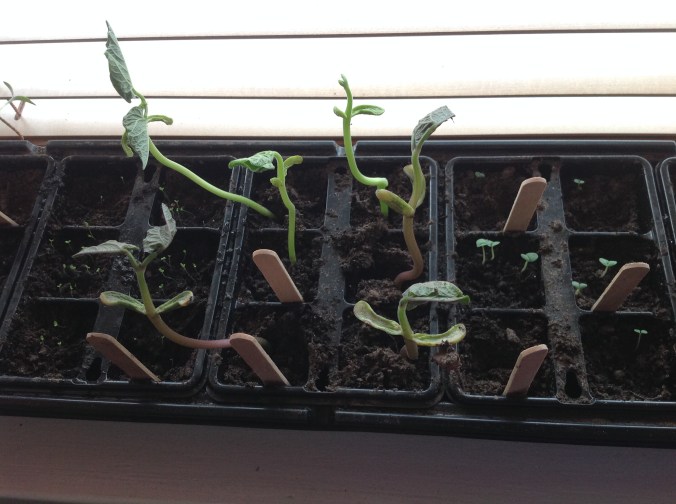 But then I was away for three days and my husband dutifully misted and turned them—mostly. But he’s not a plantsman and many of them withered.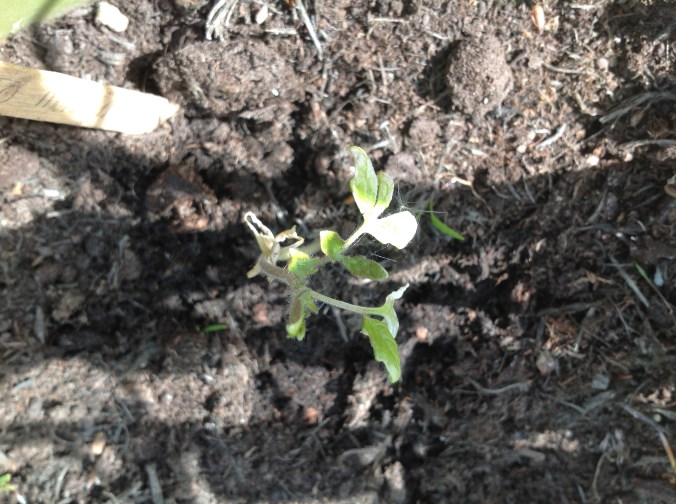
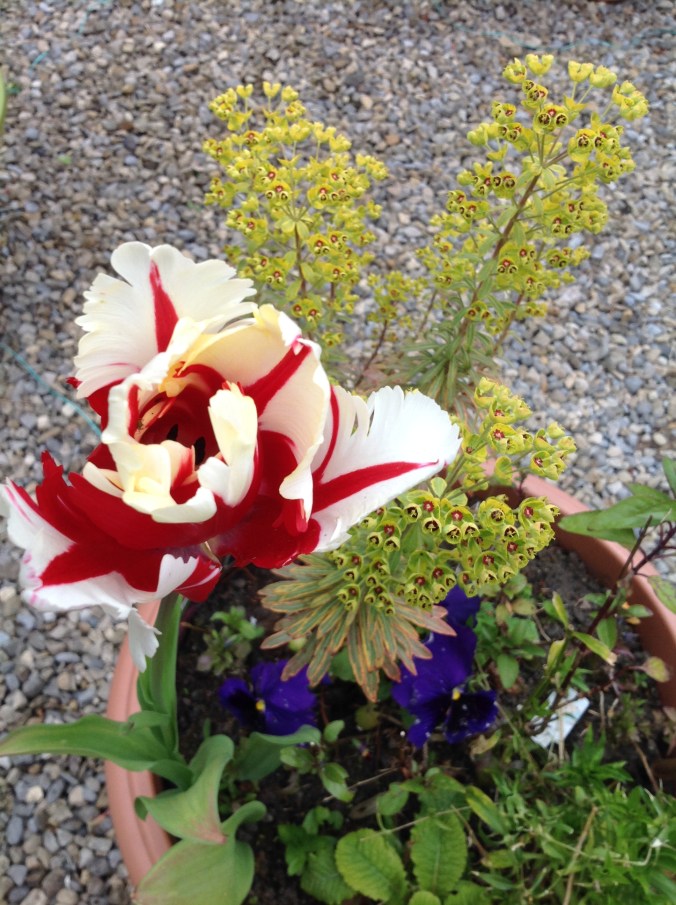 Though my lovely red and yellow parrot tulip had faded to red and white, I still enjoyed it. I was shocked to discover it one day, lying on the ground decapitated. A long thread of tulip stem attached, along with a memory of last year’s garden told the story. A snail or slug had feasted on the stem and the flower was collateral damage. But not for long! When life chops your tulip stem short, put it in a vase.
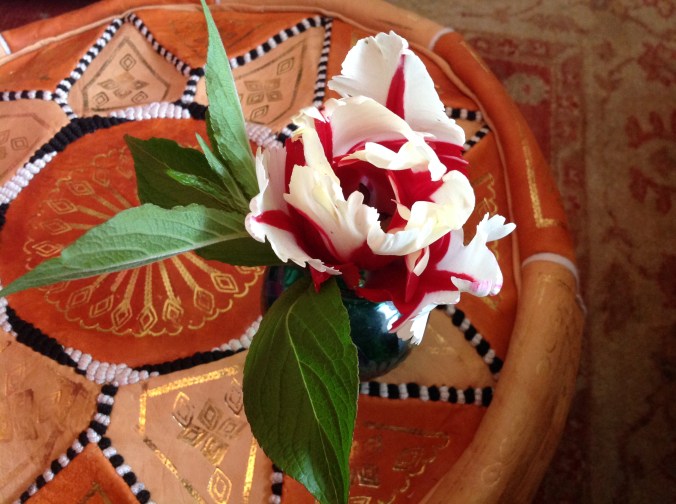 I later donned my garden gloves and felt along the underside of the pot rim. Aha! There was the culprit—a big fat yellow shelled snail. Banished to the wild area of our garden where it could eat whatever it wanted. Manufacturers of flowerpots should catch on to this and create rimless pots, removing hiding places for plant marauders.
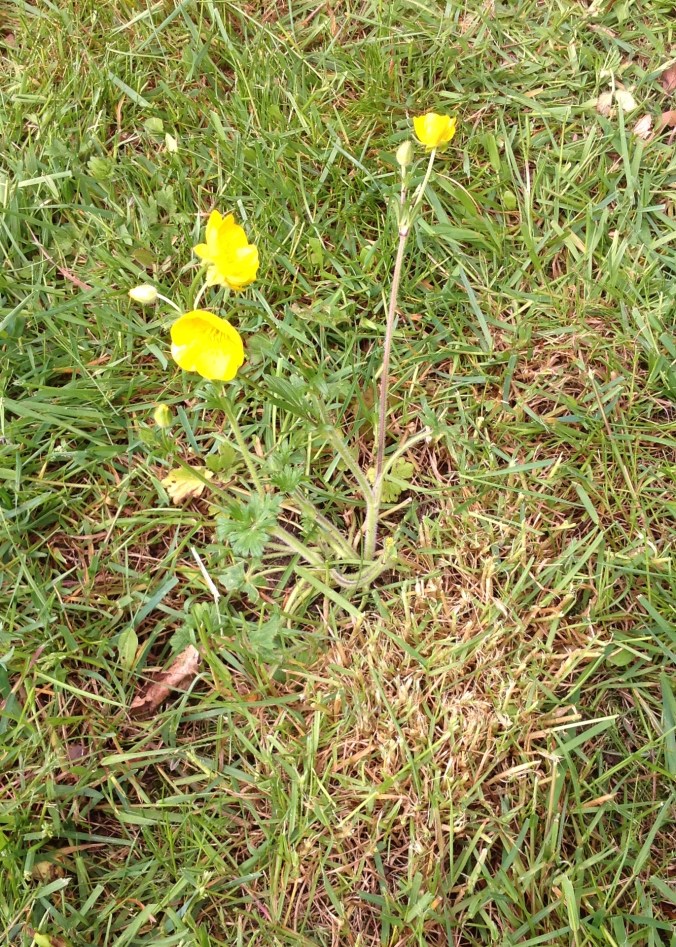 When I was young, I loved seeing what we called buttercups—a delicate pink primrose, springing up in the lawn. My sister and I would protest when our dad would set out to cut the grass—including our beloved buttercups. After much carrying on, even tears from his daughters, one day he came up with a creative solution. He called to us to hurry and pick the flowers before he mowed. Brilliant! Satisfied, we eagerly gathered them into our “vases,” which were really jars of water.
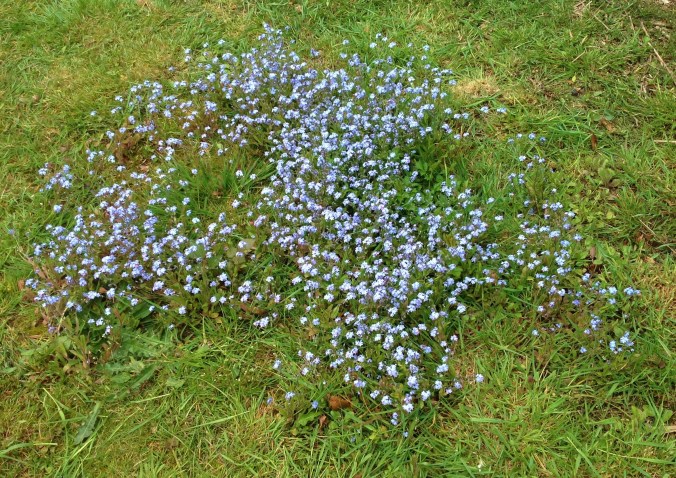 Now, many years later, my patient husband agreed to mow around my current wild “lawn flowers” leaving the silky yellow buttercups and sea of blue forget-me-nots intact. I had to hand clip the grass surrounding them but that’s a small thing to continue to enjoy these treasures.
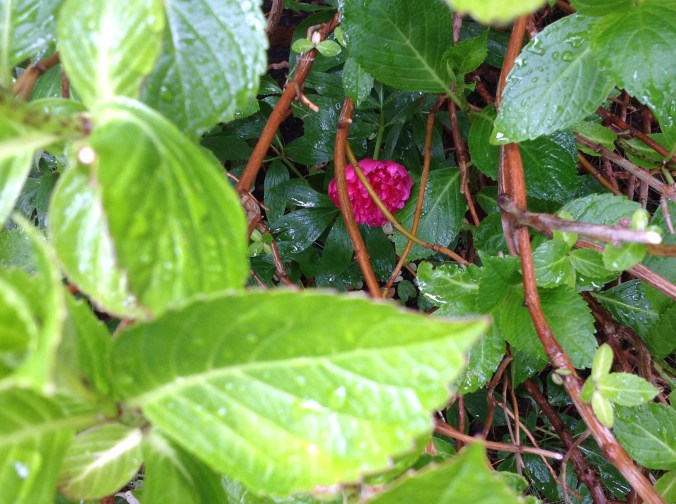 Hiding beneath my hydrangea bush is a little peony. It must have been planted long ago since the hydrangea has overshadowed this space for many years, judging by the size of it. I of course, knew it was there, it’s green leaves making their debut while the hydrangea’s red brown branches were still bare. But would it bloom? I’ve been watching and finally saw the ball of a bloom developing—what colour?
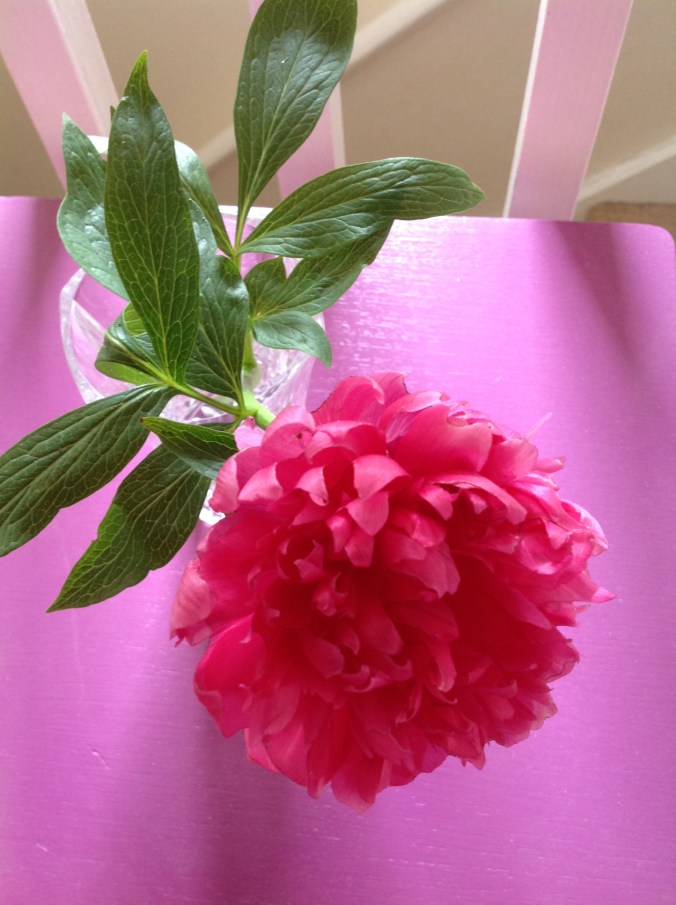 Several garden sources say that contrary to popular belief, peonies can be moved but I’m concerned about harming the hydrangea in the process; hydrangeas are some of my all-time favourite flowers but I also know that the landlord wouldn’t be pleased if it were to be injured. We’ll see.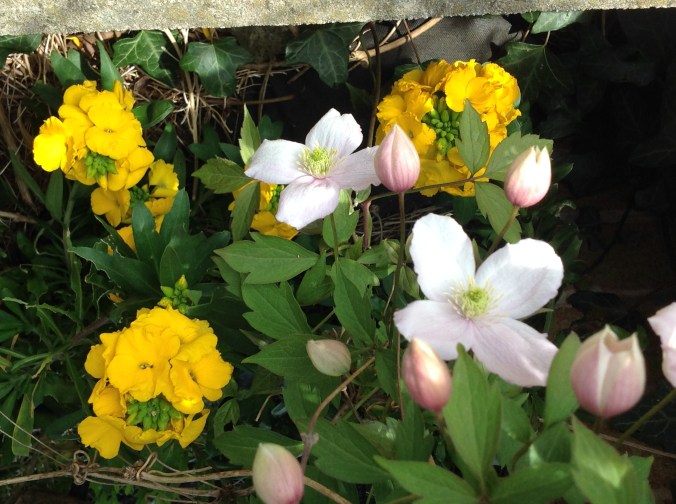
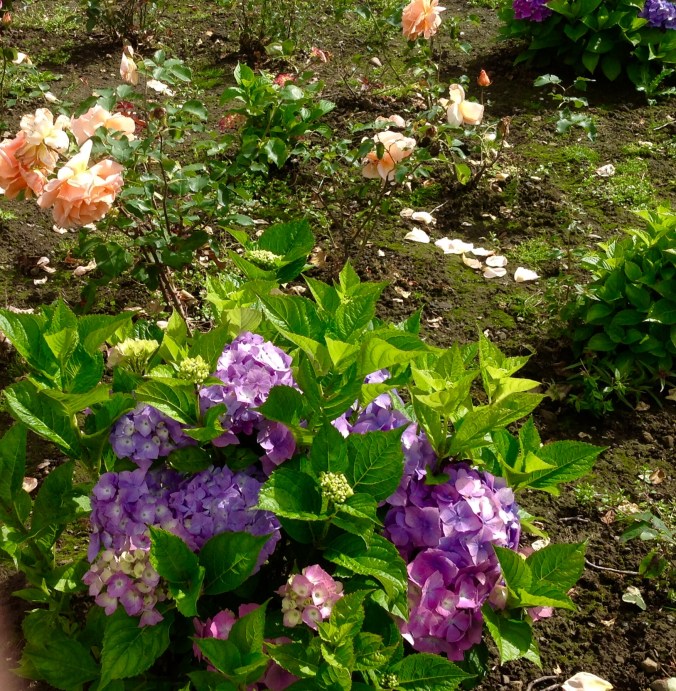
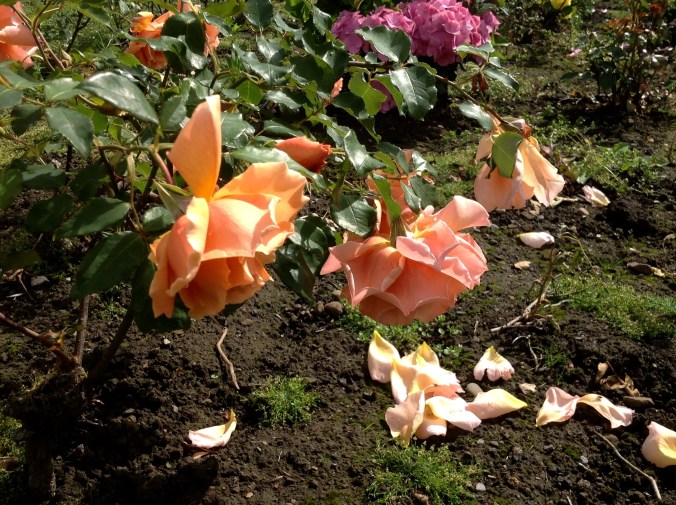 The personal and public gardens I’ve encountered here in Yorkshire boast the riotous colours I love—purple hydrangea and orange roses are planted next to each other, just as I would do. When I first saw the carnival of colours, I knew I had gotten to the right place; I’m always looking for more colour in my paintings, home, wardrobe and garden. Some colour combinations such as the exotic fuchsias in their red, purple and well, fuchsia, are actually pretty shocking–they’re everywhere.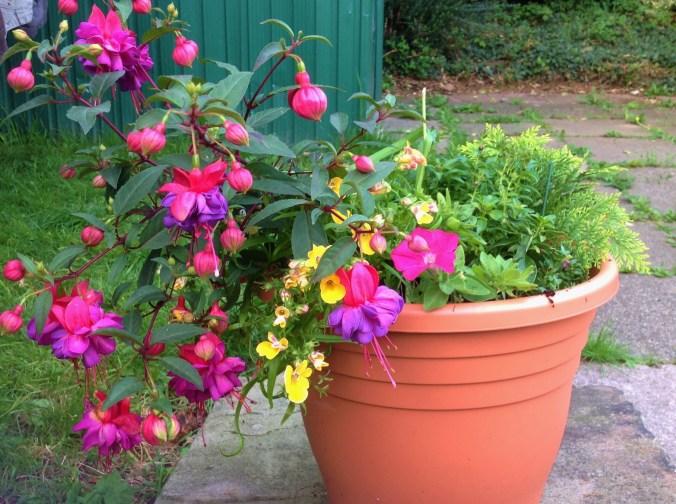
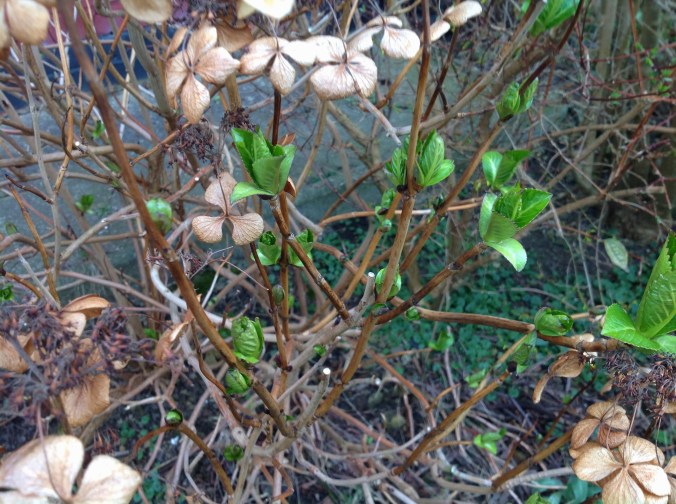
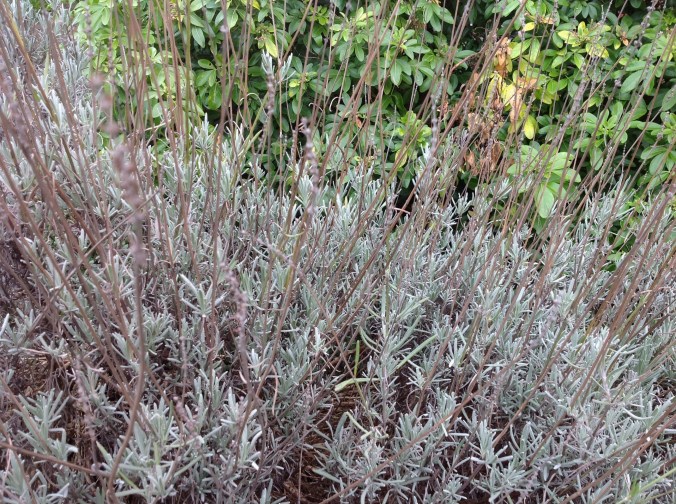 With brown bin day (yard waste) at last approaching, it was time to prune last year’s papery beige dead hydrangea heads, and lavender spikes to make way for more growth. I’d left them on to protect the new growth—at least that’s what Monty Don of BBC’s Gardener’s World said he does with his lavender.
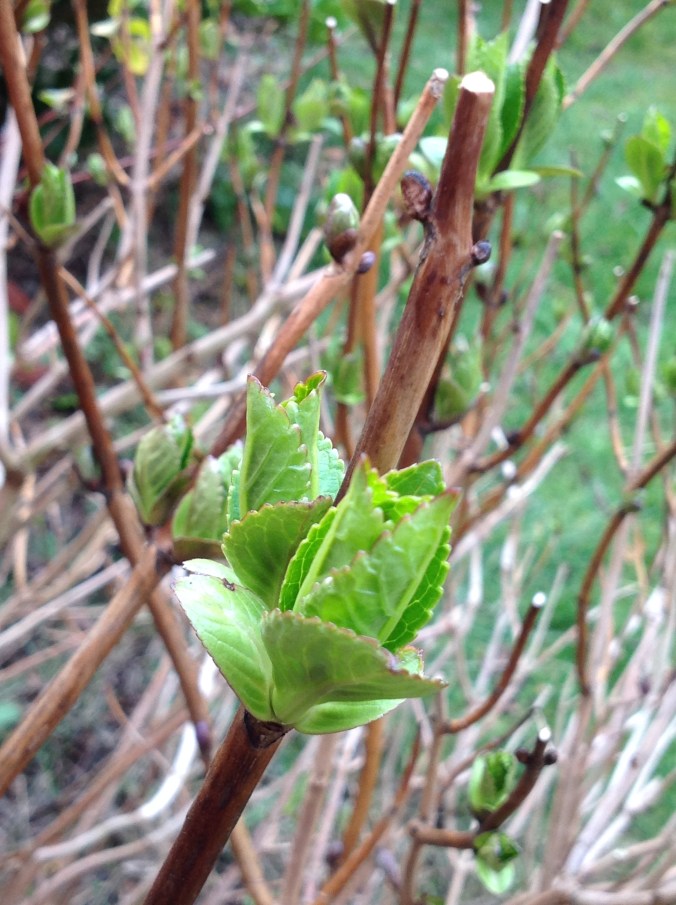 I expected a big job of pruning but it didn’t take long at all—or maybe I just didn’t notice because it was so good to be outside again. Now the leaves have space to unfurl—with two sets below each one spent flower I pruned. And it looks so much better. Satisfying.
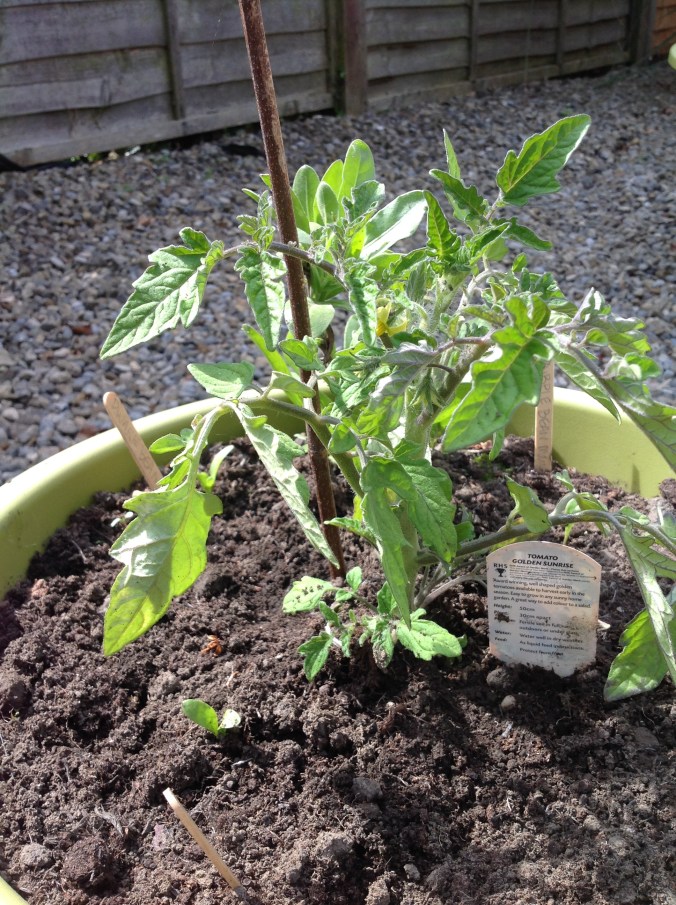
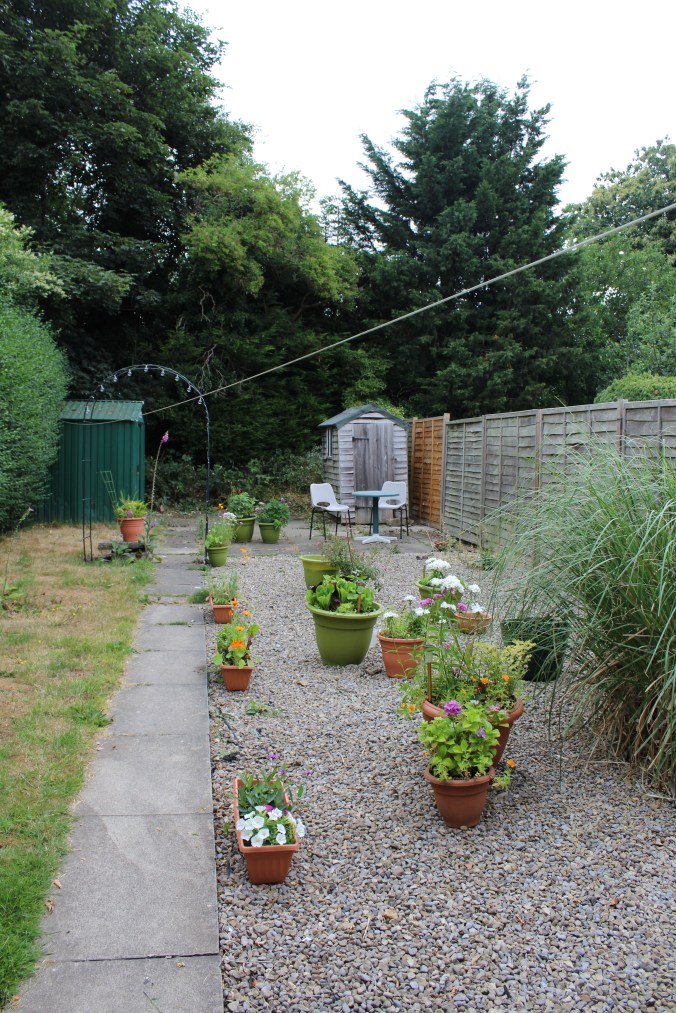 Since half of my back garden is spread with gravel that can’t be dug or really even have furniture on it, I’ve planted in pots—a great solution for renters like my husband and me. Wilko have lovely yellow green plastic pots—some quite large for small prices; they thankfully will deliver them—and the compost and seeds to put in, for a small fee. It’s a good job since the big pots are wider than a bus seat and inhaling to hold a pot completely within the confines of the seat to let someone pass can be daunting!
 A Leafy Journal